History of Everton: Civil War, housing and the Blitz
The highest point in the district is St. George's Church, with the ground sloping away rapidly to the north and west. The ridge on which the village stands extends to Low Hill and Edge Hill, and the foot of the ridge is the western boundary of the township. The centre of the old village is, unsurprisingly, Village Street.
There was a mere, later known as St. Domingo's Pit, which was just below the Beacon, and which Mere Lane led down to. At the beginning of the 20th Century Moss Lake Brook flowed towards the town centre from Everton.
Recommended sources
Website: https://www.bootlehistory.co.uk/ The Bootle Times website seems to be a hive of activity. There are dozens of oral history recordings and an active forum where you can discuss all Bootle topics from history to wanted ads.
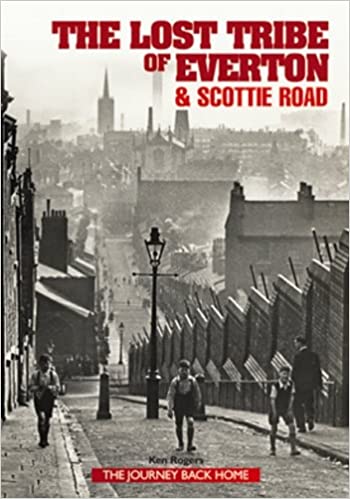
Book: The Lost Tribe of Everton & Scottie Road, by Ken Rogers. This book goes with the website of the same name. It contains reminiscences of the area from current and former residents, and tonnes of photos to help you with research.
Everton c.1900
Use the slider in the top left to change the transparency of the old map.
Transport
The main route east out of the city of Liverpool was once the road along Everton Brow, the old name of which was Causeway Lane. Halfway up the slope to the west of Everton Netherfield Lane turns to the north, with a branch leading up the hill. From the top of the village, this road led north to Everton Beacon (demolished in 1803). The road then divided, running downhill to Kirkdale and Anfield. In the fork of these two roads stood St. Domingo's House. The roads remain as Heyworth Street and Everton Road.
After passing through the village, the road from Liverpool divides into Breck Lane, leading to Walton Breck, and another road, which again divides into roads to Newsham and West Derby respectively.
Development

Everton was one of the first areas of Liverpool popular with rich merchants who traded through the city. However, later chemical works and riverside industries arrived, and the large mansions were knocked down, and replaced with hundreds of terraces. The roads were then widened along the main routes, and tramways were serving the district by the 19th Century. As the main centre of the city decreased in population in the 18th and 19th Centuries, Everton was one of the areas which gained population in its stead. This trend was most apparent in the early 19th Century, but in Everton the pattern reversed towards 1900. Although no longer the area for the rich merchants, Everton attracted master mariners as well as working families.
As the 20th Century continued, Everton became infamous for cramped and squalid slums. Hundreds of houses were bulldozed, here and in other areas, and were replaced by equally infamous high-rise flats such as the Piggeries in Everton Park.
Industry
A large sandstone quarry occupied the northern slope of Everton Brow.
Landmarks
An old pumphouse, or bridewell, was built above the village in 1787, and was still standing in 1907. Until 1820 the shaft of a market cross stood in the open area in the middle of the village, with a sundial fixed to it. There was also a holy well in the area, but the exact location of this has been lost. Everton Beacon was a sandstone tower of two storeys, roughly 20 foot square. During Napoleonic times it was used as a semaphore station.
The Necropolis, an enclosed burial ground for Non-Conformists, is now a public garden. There was also once an open space, triangular in shape, known as Whitley Gardens, on the corner of Shaw Street and Brunswick Road.
Everton was incorporated into Liverpool in 1835.
Old Ordnance Survey Maps of Everton
1851
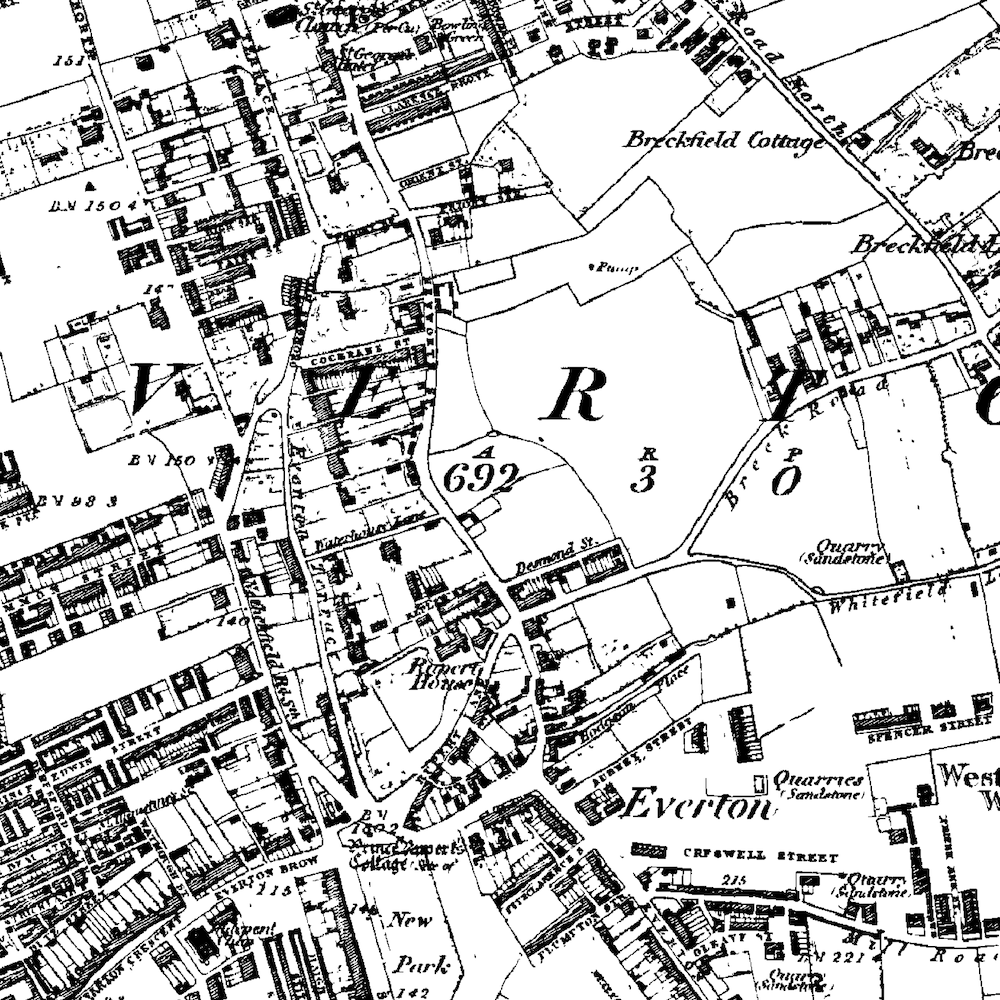
In the middle of the 19th Century Everton was only heavily built up to the west of Netherfield Road. The village of Everton (located at Village Street and Brow Side) was still just about discernable from the rest of the area even as the city of Liverpool encroached from the west.
New Park was marked on the 1851 Ordnance Survey map to the south of the village centre, and 'Prince Rupert's Cottage' was identified. The 'Cottage' sat in the middle of the village green, which was stood alone in the middle of the incoming roads: Rupert Lane, Netherfield Road South, Everton Terrace and Everton Brow. Rupert House, a building commemorating the royal visit of Prince Rupert in 1644, is also marked.
Most of the township at this time was covered in large villas with back gardens or yards. These were the dwellings of the wealthy businessmen who saw moved out of the dirty city to places like Everton, Toxteth Park and Kirkdale in the 18th Century.
Along with the houses a large number of sandstone quarries are marked. These are only small and the stone for them would have been used only locally.
An area to the north east of Everton village was St. Domingo. This centres around the Church of St Domingo and also Mere Bank, a large house. St. Domingo's Pit is also identified on the map, and the area is surrounded with the large merchant houses already mentioned. The pit was a shallow lake, or mere, from which the house no doubt got its name, along with Mere Lane which led down to the lake.
The two largest features on the map are the West Derby Union Workhouse which stood at the end of Mill Road in the east of the township, and the Zoological Gardens (complete with fireworks department!) just to the south east of this.
Finally, at the very south end of the township was the Liverpool Collegiate Institute on Shaw Street (now converted into flats) and the already dense areas making up Kensington.
1894
The next Ordnance Survey map to be published of the area was in 1894. These forty years were some of the most crucial for Liverpool, and saw the almost complete transformation of the township of Everton.
Little remained from previous years save for the main roads and Rupert's Tower. A massive number of terraced houses had been built for the influx of people coming to find a job. Everton in particular was an area populated by Irish migrants; a high proportion of those who settled in this township were Roman Catholic. These terraces now appear to cover the entire area of the 1894 map. One of the largest gaps in this swathe of housing was the first building of the Notre Dame Catholic College.
The grounds of Rupert House (known to have been standing in 1830) by this time had a militia barracks built upon them.
1910 to 1930
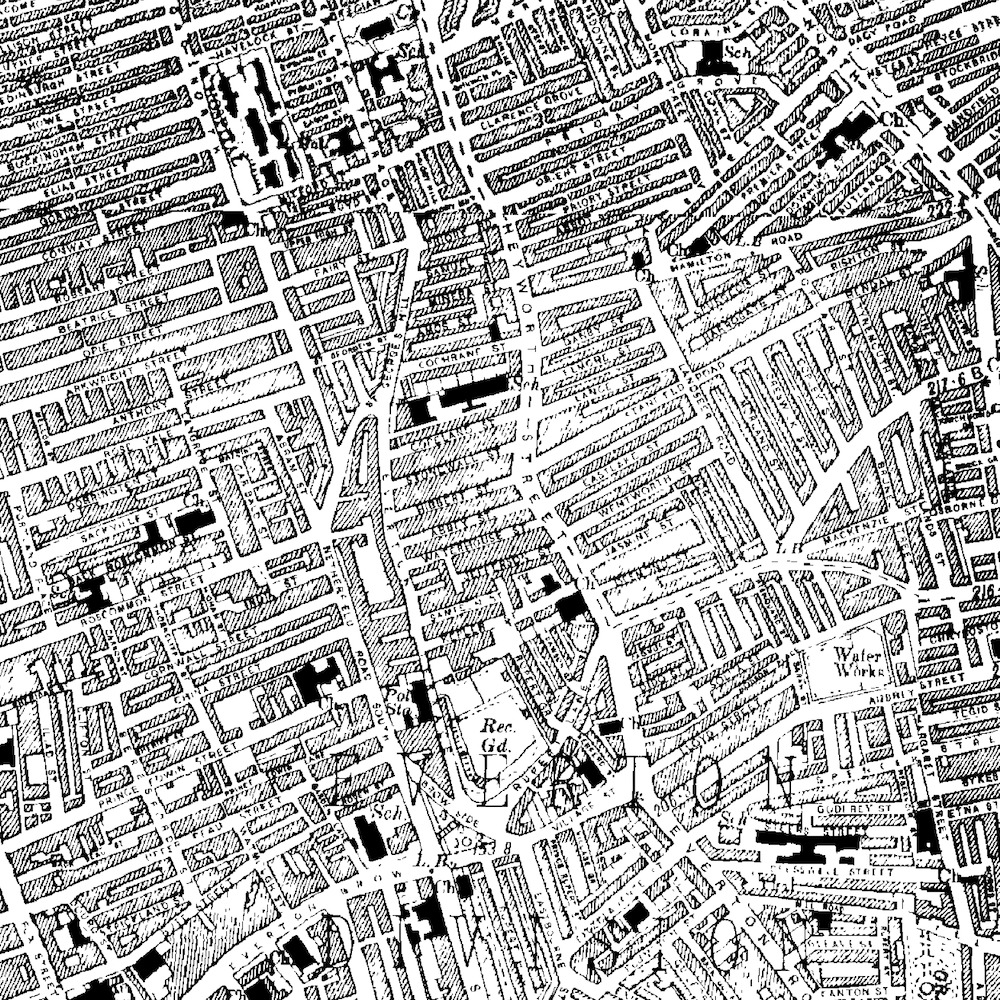
While this was a very important period in world history (with the Great War and a recession) Everton does not appear to have changed much on the map. The area was still covered in dense terrace houses and courts. Churches dotted the landscape and small industrial works can be made out.
The feature marked as 'New Haymarket' on earlier maps is now a covered market on the newly lengthened and straightened Cazneau Street.
By 1930 the militia barracks had been turned into a recreation ground.
Soon after the end of the Second World War Britain was entered a boom time. Attempts were being made to expand Liverpool's industry from dock working to manufacturing, and new plants like those at Speke and Aintree were the result of this. Alongside the new factories, edge-of-town suburbs were springing up to rehouse those who had been, until then, still living in the cramped Victorian streets.
During the 1950s and 60s these streets in Everton were to be demolished, but on the 1910 and 1930 maps there was no evidence of this was coming change.
1970
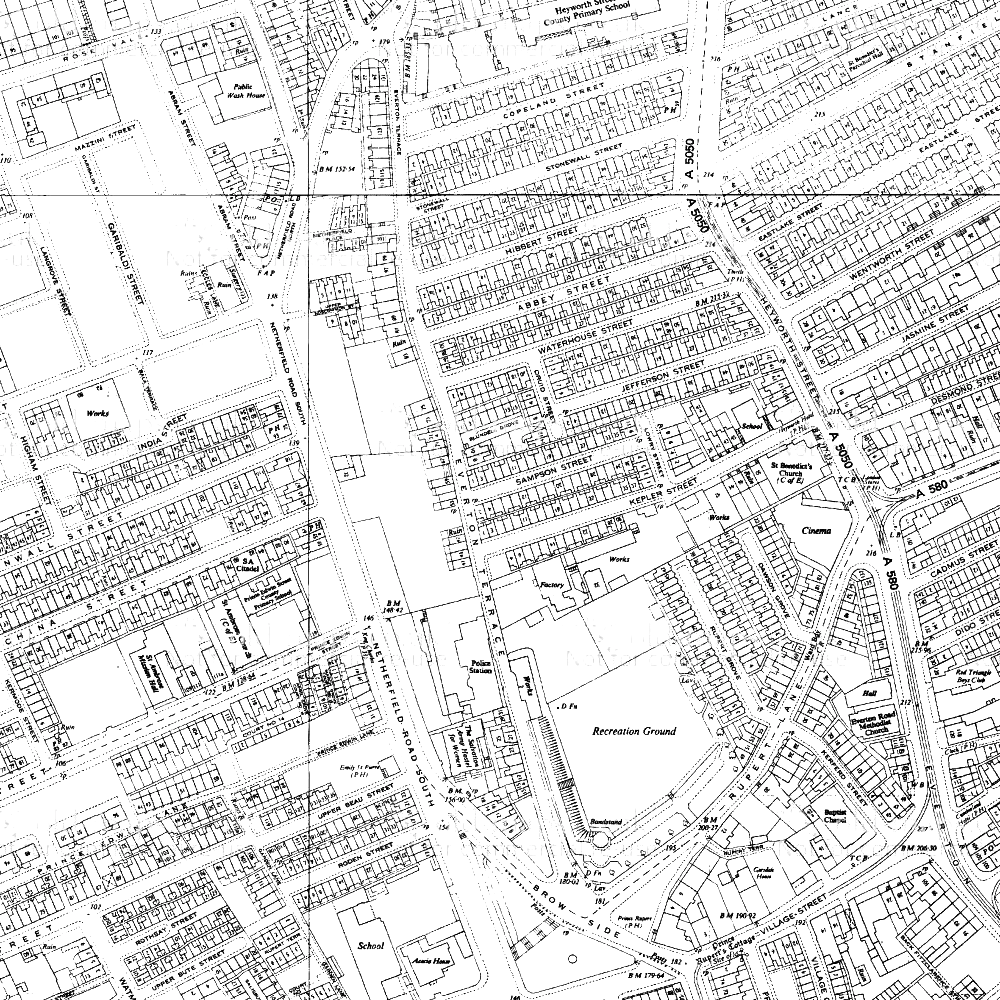
Although Everton was still generally a gridiron mass of roads and houses, the main arterial roads into the city had changed massively by the mid-1960s.
Scotland Road, Great Homer Street and Byrom Street had been widened and straightened, and a spiral junction had been built to take traffic into the Kingsway Tunnel.
Holes were beginning to appear in the fabric of Everton housing between Netherfield Road and Great Homer Street, north of Roscommon Street and where Campion Catholic High School now stands.
1978
By 1978 the clearances were almost complete (although the rebuilding was far from so). The space now occupied by Rupert Recreation Ground and Whitley Gardens had been cleared, but the roads were still marked on the Ordnance Survey map as rather sad dotted lines (a mirror image of when this was done on Victorian maps to denote streets in the process of being built). These large areas were later to be redeveloped as Everton Park.
2000
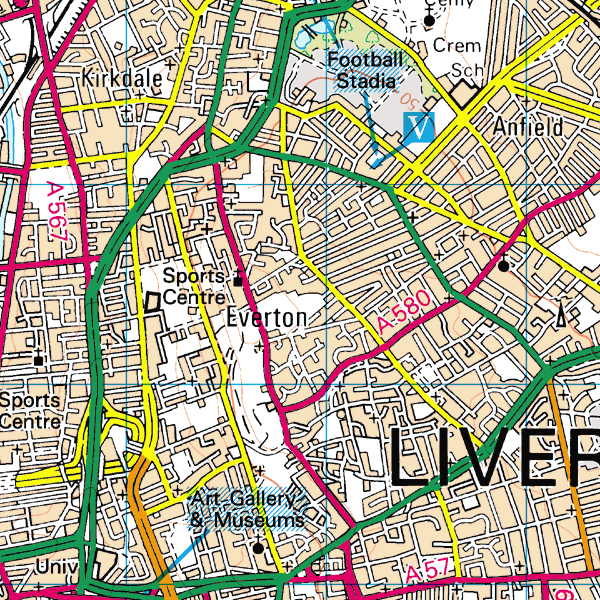
The transformation of Everton from its state in 1984 had now been completed. Almost all the small, straight side roads had disappeared, or been cut short and reshaped. Roads which once existed as part of the characteristic grid pattern can still be seen, but they are either dead ends or curved cul-de-sacs: Fitzclarence Street, Cochrane Street, Beau Street and Upper Beau Street are all roads marked on the 1894 map but which would be unrecognisable to their Victorian residents.
Conclusion
Everton was one of the first townships to see an influx of rich residents in the 18th and 19th Centuries. It was also one of the first to be overrun with masses of Victorian terraces which housed the dockworkers for which the city was famous.
As dock work became scarce, and well-meaning councils cleared the 'slum housing' after the Second World War, Everton was one of the many places where the heart was ripped out of the community and shipped the city outskirts.
While it remains one of the most deprived parts of Liverpool, it has been redeveloped with masses of green space, and still enjoys the lofty view over the city centre it was noted for in the Victoria County History.
Everton has been buffeted on the winds of change sweeping across Liverpool. How it fairs in the future will be just as dependent on Liverpool's fortunes as it ever was.
Mapping the history of Liverpool
Old maps, interactive maps and the historic landscape of Merseyside.
Buy maps
Many of the maps on this site can be bought as high quality prints, either as paper or ready-framed.
You can also buy notebooks, postcards, greetings cards and other map-printed items!
Go to the shop to find out more
The book
Liverpool: a landscape history is a book about Liverpool and Merseyside from the very earliest days to the 21st century.
You’ll learn about everything from the Calderstones to the Capital of Culture.
Signed copies are available direct from me, the author, in the shop.
#ads

A set of three matching Cassini maps from three different periods, designed to appeal to anyone who wants to discover the hidden history of their local landscape.
- Cassini Old Series Maps first published between 1805 and 1874
- Cassini Revised New Series Maps first published between 1896 and 1904
- Cassini Popular Edition Maps first published between 1919 and 1926
Leave a comment
james harry
06/16/2011 21:05:04
Reply to james harry
Martin
06/18/2011 17:44:20
Reply to Martin
Alane
10/23/2011 23:14:36
Reply to Alane
Martin
10/24/2011 19:12:46
Reply to Martin
Martin
10/24/2011 20:19:01
Reply to Martin
Alane Beyer
09/05/2015 15:53:31
Reply to Alane Beyer
Martin Greaney
09/07/2015 21:28:43
Reply to Martin Greaney
Alane Beyer
09/25/2012 15:25:39
Reply to Alane Beyer
Raif
01/07/2012 10:06:16
Reply to Raif
Martin
01/12/2012 12:15:18
Reply to Martin
Peter Bridle
01/23/2012 23:24:36
Reply to Peter Bridle
Maureen Lavis
02/10/2021 08:16:36
Reply to Maureen Lavis
Bob Edwards
01/25/2012 17:59:29
Reply to Bob Edwards
Alan Fargher
02/16/2012 20:58:21
Reply to Alan Fargher
Martin Greaney
02/16/2012 21:50:03
Reply to Martin Greaney
sharon burke
03/06/2012 02:45:13
Reply to sharon burke
Martin Greaney
03/06/2012 17:48:56
Reply to Martin Greaney
Kay Roney
11/05/2013 07:32:35
Reply to Kay Roney
Martin Greaney
11/06/2013 18:49:44
Reply to Martin Greaney
Karl
03/25/2012 01:03:36
Reply to Karl
Martin Greaney
03/27/2012 14:56:59
Reply to Martin Greaney
Steve Noonan
03/27/2012 09:56:23
Reply to Steve Noonan
Martin Greaney
03/27/2012 12:53:46
Reply to Martin Greaney
George Kinder
08/25/2014 11:06:06
Reply to George Kinder
Ron Creer
04/09/2012 13:32:00
Reply to Ron Creer
Martin Greaney
04/11/2012 16:33:12
Reply to Martin Greaney
im david duffys lost son adopted in 1960
04/12/2012 11:21:55
Reply to im david duffys lost son adopted in 1960
tony farley aka john milligan
04/25/2012 10:26:00
Reply to tony farley aka john milligan
john milligan
04/18/2012 11:27:16
Reply to john milligan
Stephen Bell
05/23/2012 22:42:32
Reply to Stephen Bell
Martin Greaney
05/24/2012 11:15:25
Reply to Martin Greaney
Kay Roney
08/30/2013 02:58:15
Reply to Kay Roney
Kay Roney
11/05/2013 07:25:57
Reply to Kay Roney
ann kilshaw
07/15/2012 20:31:11
Reply to ann kilshaw
Martin Greaney
07/23/2012 21:27:18
Reply to Martin Greaney
Tom
07/25/2012 21:44:10
Reply to Tom
Martin Greaney
07/26/2012 21:17:00
Reply to Martin Greaney
Phil Holt
08/15/2012 22:24:01
Reply to Phil Holt
pat obrien
09/24/2012 17:56:15
Reply to pat obrien
Martin Greaney
10/14/2012 11:55:23
Reply to Martin Greaney
pat obrien
09/26/2012 19:03:00
Reply to pat obrien
Pearl Evans
10/09/2012 00:57:33
Reply to Pearl Evans
Martin Greaney
10/14/2012 12:30:44
Reply to Martin Greaney
Angela
11/04/2012 19:55:44
Reply to Angela
Martin Greaney
11/14/2012 21:44:48
Reply to Martin Greaney
Dawber street liverpool 6
10/10/2012 17:32:48
Reply to Dawber street liverpool 6
Brian Taylor (Tinker)
03/27/2013 00:04:05
Reply to Brian Taylor (Tinker)
Kevin Balmer
11/24/2015 13:24:17
Reply to Kevin Balmer
pete an hilda
12/01/2016 19:25:02
Reply to pete an hilda
Kevin Balmer
06/15/2017 02:59:02
Reply to Kevin Balmer
Judy
10/12/2012 05:27:33
Reply to Judy
Martin Greaney
10/14/2012 12:43:24
Reply to Martin Greaney
marjie mayne
01/17/2013 22:38:59
Reply to marjie mayne
Martin Greaney
01/27/2013 17:04:58
Reply to Martin Greaney
jim todd
01/19/2013 23:18:09
Reply to jim todd
Sue Carmichael
02/19/2013 17:20:43
Reply to Sue Carmichael
Martin Greaney
02/21/2013 15:53:11
Reply to Martin Greaney
Sue Cottrell
02/24/2013 13:12:02
Reply to Sue Cottrell
Andy Hyams
02/27/2013 16:57:48
Reply to Andy Hyams
Martin Greaney
03/17/2013 13:00:32
Reply to Martin Greaney
Andy Hyams
04/19/2013 14:15:43
Reply to Andy Hyams
Julie o Hanlon
04/19/2013 01:12:38
Reply to Julie o Hanlon
Sheila
05/08/2013 17:13:47
Reply to Sheila
Sheila
05/08/2013 17:11:08
Reply to Sheila
Kay Roney
08/30/2013 03:12:21
Reply to Kay Roney
Kay Roney
08/30/2013 03:13:48
Reply to Kay Roney
Martin Greaney
09/01/2013 14:06:21
Reply to Martin Greaney
Sheila Williams nee Earlam
09/12/2015 18:28:37
Reply to Sheila Williams nee Earlam
Kay Roney
12/05/2017 18:18:26
Reply to Kay Roney
Mary Wadsworth
05/04/2014 18:33:00
Reply to Mary Wadsworth
Mary Wadsworth
05/04/2014 18:37:34
Reply to Mary Wadsworth
Sheila Williams nee Earlam
09/12/2015 18:40:52
Reply to Sheila Williams nee Earlam
Gerry Quinn
05/27/2013 21:25:56
Reply to Gerry Quinn
Martin Greaney
05/28/2013 11:57:41
Reply to Martin Greaney
Gerry Quinn
05/28/2013 12:08:21
Reply to Gerry Quinn
Rose
08/20/2013 19:42:09
Reply to Rose
Jude Burns
10/02/2013 23:42:58
Reply to Jude Burns
gay fairbrother nee usher
11/03/2013 15:02:09
Reply to gay fairbrother nee usher
Fiona Sneesby nee McCullock
01/26/2014 20:10:31
Reply to Fiona Sneesby nee McCullock
Joan Jaffrey
02/10/2014 13:51:42
Reply to Joan Jaffrey
Mike jones
09/21/2014 00:45:27
Reply to Mike jones
Sue Stewart
05/13/2014 02:12:48
Reply to Sue Stewart
Martin Greaney
05/16/2014 08:16:26
Reply to Martin Greaney
Dave Davies
09/09/2014 15:11:53
Reply to Dave Davies
Martin Greaney
09/11/2014 17:59:40
Reply to Martin Greaney
MARGARET BURNETT
11/17/2014 17:00:14
Reply to MARGARET BURNETT
Martin Greaney
11/18/2014 17:40:37
Reply to Martin Greaney
Jane
04/08/2016 07:54:00
Reply to Jane
Dave Davies
09/17/2024 00:11:02
Reply to Dave Davies
Roy
09/21/2014 14:22:23
Reply to Roy
sharon ray
10/13/2014 22:19:12
Reply to sharon ray
mike wiliams
11/12/2014 07:25:44
Reply to mike wiliams
Pauline cook nee lawson
05/05/2015 15:06:32
Reply to Pauline cook nee lawson
Steve Lord
06/02/2015 09:48:40
Reply to Steve Lord
Steve Lord
06/02/2015 09:50:02
Reply to Steve Lord
Sheila Williams nee Earlam
09/12/2015 18:55:05
Reply to Sheila Williams nee Earlam
Kay Roney
12/07/2017 19:54:19
Reply to Kay Roney
Paul Martin
02/18/2016 19:33:20
Reply to Paul Martin
Martin
02/19/2016 15:57:32
Reply to Martin
Stacey
06/24/2016 15:48:47
Reply to Stacey
Stacey
06/27/2016 02:28:18
Reply to Stacey
Martin
07/10/2016 21:11:33
Reply to Martin
Hilary mern
10/01/2016 10:40:25
Reply to Hilary mern
Martin
11/03/2016 21:55:35
Reply to Martin
Jane Francis
11/22/2016 16:31:42
Reply to Jane Francis
Martin
11/30/2016 20:59:49
Reply to Martin
Jane Francis
12/05/2016 23:48:13
Reply to Jane Francis
Chris Bailey
12/28/2016 19:06:31
Reply to Chris Bailey
Gwen Brophy
08/21/2022 22:10:11
Reply to Gwen Brophy
Chris Gatley
08/07/2017 22:33:49
Reply to Chris Gatley
Vivien Lake
07/09/2018 04:49:49
Reply to Vivien Lake
Martin
08/02/2018 18:25:41
Reply to Martin
Vivien Lake
08/03/2018 03:40:03
Reply to Vivien Lake
Martin
08/14/2018 15:40:30
Reply to Martin
Sherry Rowley
11/24/2025 21:38:15
Reply to Sherry Rowley
Kay Roney
08/15/2018 20:36:20
Reply to Kay Roney
Claire
08/27/2018 15:51:33
Reply to Claire
Martin
08/28/2018 11:31:23
Reply to Martin
Joseph carroll
09/22/2018 13:35:44
Reply to Joseph carroll
Alannah
02/18/2019 18:50:01
Reply to Alannah
Martin
02/20/2019 09:39:57
Reply to Martin
Alannah
02/20/2019 12:28:38
Reply to Alannah
Martin
02/20/2019 12:52:25
Reply to Martin
Martin
02/21/2019 09:38:16
Reply to Martin
Alannah
02/21/2019 15:22:28
Reply to Alannah
Martin
02/22/2019 15:18:27
Reply to Martin
Alannah
02/24/2019 04:34:18
Reply to Alannah
Alannah
02/24/2019 06:07:00
Reply to Alannah
Martin
02/25/2019 17:19:34
Reply to Martin
Robert Farrell
05/01/2019 23:43:23
Reply to Robert Farrell
Kay
05/02/2019 18:09:57
Reply to Kay
Martin
05/02/2019 18:13:30
Reply to Martin
Jen
02/14/2021 13:41:25
Reply to Jen
Martin Greaney
02/19/2021 11:39:14
Reply to Martin Greaney
Kay
02/19/2021 16:51:09
Reply to Kay
Jim Quinn
03/02/2024 12:48:07
Reply to Jim Quinn
Verity Ferguson
03/02/2021 21:42:55
Reply to Verity Ferguson
Richard Glover
04/10/2021 05:13:49
Reply to Richard Glover
Martin Greaney
04/13/2021 20:44:09
Reply to Martin Greaney
Valerie
04/28/2022 19:43:42
Reply to Valerie
David Peate
01/21/2024 14:27:43
Reply to David Peate
Jim Quinn
03/02/2024 12:31:17
Reply to Jim Quinn
Tracy
09/09/2024 14:25:04
Reply to Tracy
Tracy Williams
10/05/2025 09:09:47
Reply to Tracy Williams
Julie First
10/29/2025 18:27:03
Reply to Julie First
Carole
01/25/2026 19:17:34
Reply to Carole